


Table of Contents
- Why Grit Matters on Your Pickleball Paddle
- Step-by-Step Guide to Cleaning Your Paddle Surface
- Signs of Pickleball Paddle Wear and When to Clean
- Raw Carbon Fiber Paddle Maintenance Essentials
Last Updated: August 21, 2026
Why Grit Matters on Your Pickleball Paddle
The surface texture on your paddle, called grit, creates friction between the ball and paddle face. This friction generates spin, controls trajectory, and maintains consistent performance. Without adequate grit, the ball slides off rather than gripping, and shot placement deteriorates quickly.
Step-by-Step Guide to Cleaning Your Paddle Surface
Cleaning regularly prevents dirt from permanently embedding into the grit and takes only minutes.
What You'll Need:
- Lukewarm water
- Mild dish soap
- Lint-free cloth or microfiber towel
- Soft-bristled brush (optional)
- Dry towel
Steps to Clean Your Paddle:
-
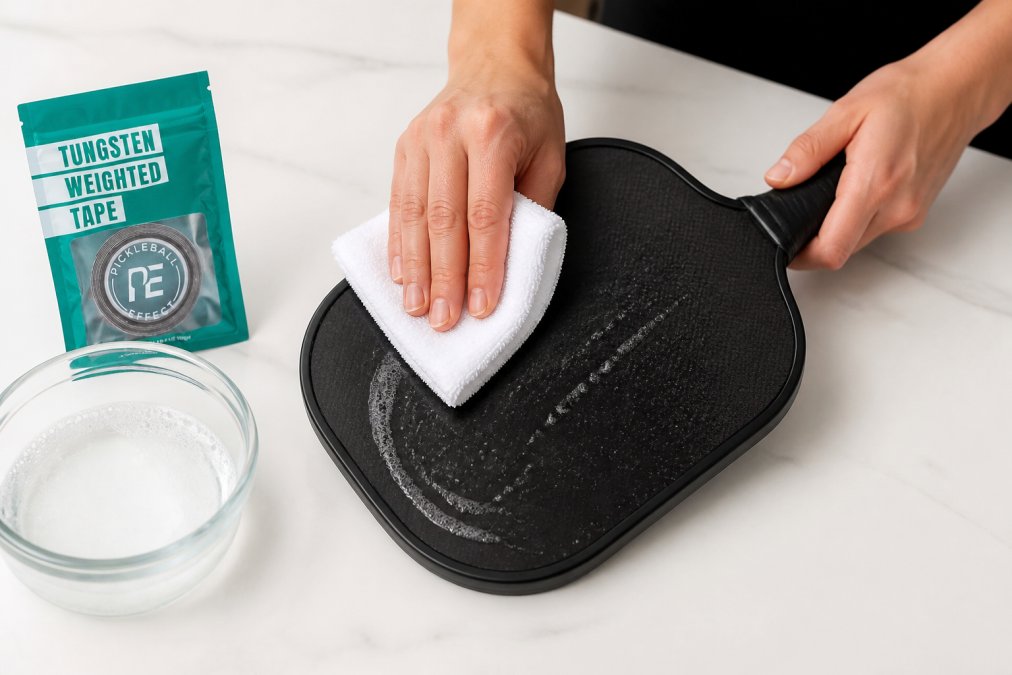
Rinse with lukewarm water. Hold your paddle under running water and gently rinse the paddle face. Avoid hot water, which can damage the core material or adhesives (aapa.org).
-
Apply mild soap solution. Mix dish soap with lukewarm water. Dip your lint-free cloth into the solution and gently wipe the paddle face in circular motions to remove sweat, oils, and light debris.
-
Rinse thoroughly. Rinse away all soap residue under running water. Soap left behind creates a slippery film and reduces friction.
-
Dry completely. Use a clean, dry towel to pat the paddle dry, paying special attention to the edge guard and handle where moisture can weaken adhesives.
-
Air dry before storage. Set the paddle aside for 10-15 minutes to ensure complete dryness.
Signs of Pickleball Paddle Wear and When to Clean
A paddle that feels slippery or produces less spin is signaling either it needs cleaning or the grit is genuinely worn.
Signs Your Paddle Needs Cleaning:
- The surface looks dull or discolored
- Reduced spin on normally controlled shots
- The paddle feels slick when gripped
- Visible dirt or sweat residue is present
Signs of True Grit Wear:
- The surface feels smooth when you run your finger across it
- Cleaning doesn't restore spin or control
- Visible flat spots or shiny patches on the paddle face
Clean your paddle after every 4-6 hours of play, or weekly if you play casually. This prevents dirt from bonding permanently to the grit. In humid or outdoor conditions, clean more frequently as moisture and environmental debris accumulate faster. Raw carbon fiber paddles require the same cleaning approach as composite paddles, but drying is especially critical since carbon fiber is more susceptible to moisture damage.
Raw Carbon Fiber Paddle Maintenance Essentials
Raw carbon fiber paddles offer excellent spin potential and ball control but demand more careful maintenance than coated paddles. The material is porous at the microscopic level, and moisture can weaken the resin bond and cause delamination (peer-reviewed research).
Maintenance Steps for Carbon Fiber:
- Clean using mild soap and lukewarm water only.
- Dry the paddle face thoroughly with a lint-free cloth within 2-3 minutes of rinsing.
- Dry the handle and edge guard separately, as these areas trap moisture easily.
- Store in a cool, dry location away from direct sunlight. Heat softens adhesives; UV exposure degrades resin (peer-reviewed research).
- Avoid humid environments like basements or garages without climate control.
Can Grit Be Restored?
Once the abrasive material wears smooth, it cannot be restored to factory condition. Sanding or roughening the surface yourself risks damaging the core material and voiding any warranty. A paddle eraser may remove surface buildup, but only if dirt is the problem, not actual wear.
If your paddle's grit is genuinely worn after months of heavy play, replacement is the practical option. Quality paddles like the Warping Point Phoenix Pickleball Paddle - 16MM and Warping Point Neon Pickleball Paddle - Gen 3 are built to last, but all paddles eventually wear. Proper maintenance extends that timeline.


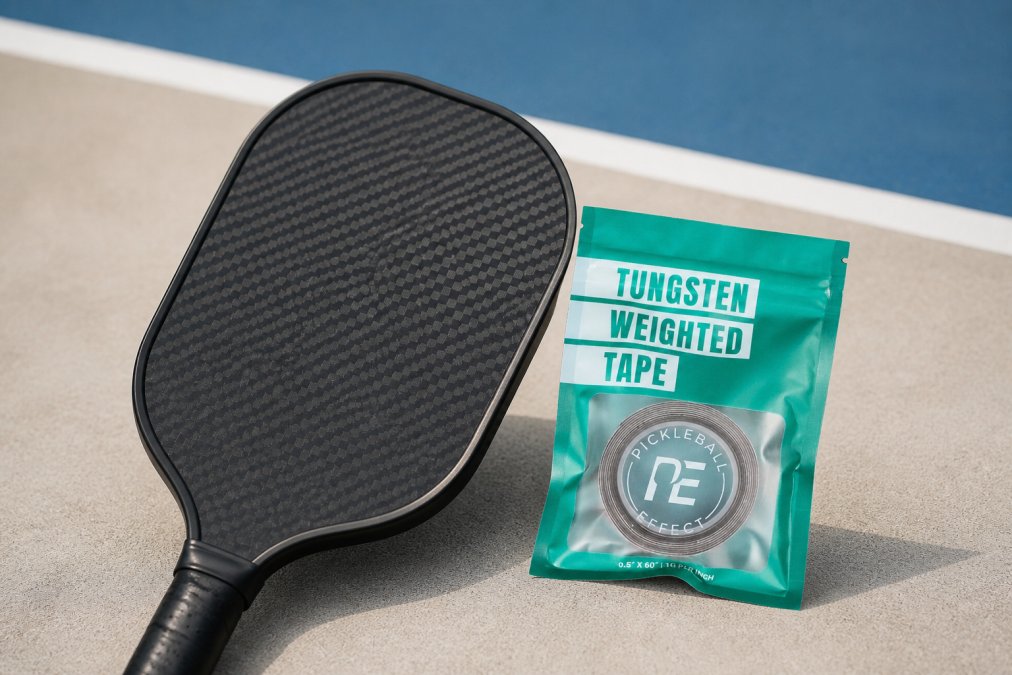
Maintaining your pickleball paddle grit keeps your game sharp and protects your equipment investment. Clean regularly, dry thoroughly, and store properly, these three habits address 90% of grit-related issues. For players looking to upgrade to a paddle built for durability and performance, Sports Vista USA carries high-quality options designed to withstand serious play. Check out our Warping Point Phoenix Pickleball Paddle - 13.3MM for faster response, or explore our Pickleball Effect Tungsten Weighted Tape to fine-tune your paddle's performance.

Frequently Asked Questions
How often should I clean my pickleball paddle grit?
Clean your paddle after every few playing sessions or when you notice dirt and debris on the surface. Regular maintenance prevents residue buildup that dulls the paddle face and reduces friction. A quick wipe-down with a damp cloth takes seconds and keeps your paddle performing at its best.
Can you restore grit to a worn-down pickleball paddle?
Once the grit texture degrades through normal wear, it cannot be truly restored to its original state. Cleaning removes dirt and debris, which can make a paddle feel slightly grittier, but it does not replace lost surface texture. If your paddle has significant texture loss affecting ball control and spin, it may be time to consider a replacement paddle designed for your playing style.
What is the best way to clean raw carbon fiber pickleball paddles?
Use a damp, lint-free cloth with mild soap and warm water. Gently wipe the paddle face in circular motions, then dry thoroughly with a clean cloth. Avoid harsh chemicals, abrasive scrubbing, and excessive water. Raw carbon fiber is durable but benefits from gentle care to preserve its friction and longevity. Always check your paddle's warranty guidelines before cleaning.
This article was written using GrandRanker


Leave a comment
This site is protected by hCaptcha and the hCaptcha Privacy Policy and Terms of Service apply.