


Table of Contents
- Understanding Paddle Construction and Core Materials
- Pickleball Paddle Weight Guide: Finding Your Ideal Balance
- Matching Equipment to Your Skill Level and Playing Style
- Essential Pickleball Gear Checklist for New Players
- Paddle Dimensions, Shape, and Sweet Spot Performance
- Pickleball Court Equipment for Schools and Parks
- Power vs. Control vs. Spin: What Your Game Demands
- Maintenance and Longevity: Protecting Your Investment
- Frequently Asked Questions
Last Updated: September 1, 2026
Choosing the right pickleball equipment can mean the difference between frustration and genuine enjoyment on the court. Whether you're a casual player just picking up a paddle for the first time or preparing to compete, understanding how to choose pickleball equipment requires knowing what each component does and how it affects your game.
This guide breaks down the essentials so you can make informed decisions based on your skill level, playing style, and budget.
Understanding Paddle Construction and Core Materials
The paddle is your most important equipment investment, and the core material determines how the paddle performs more than anything else. A paddle's core is the interior layer that sits between the face and the handle.
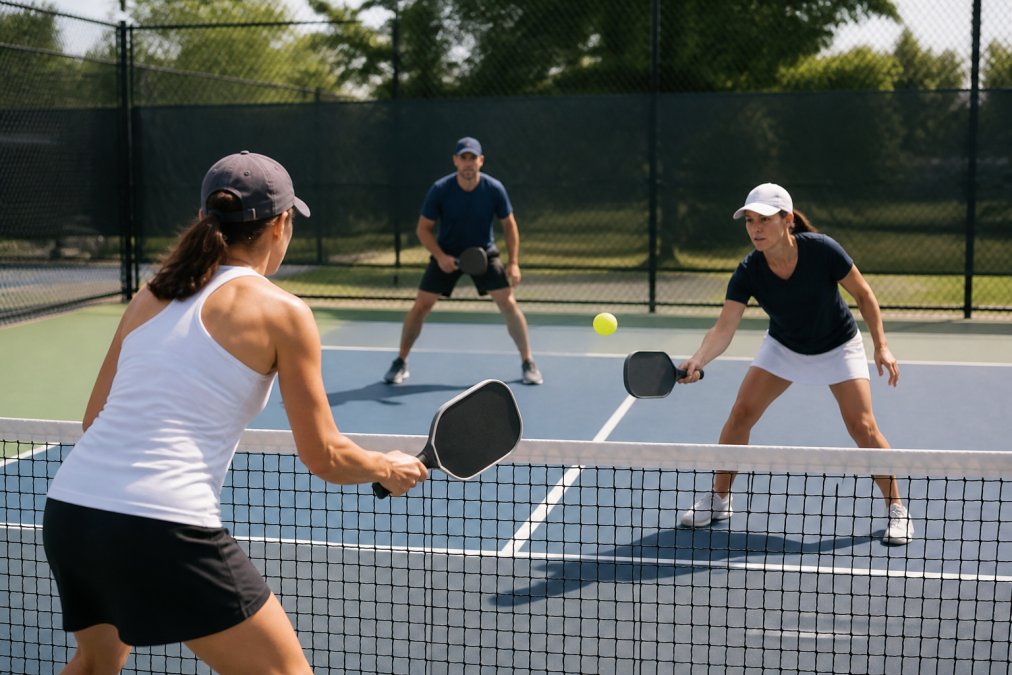
Honeycomb core construction has become the standard for quality paddles because it balances forgiveness, power, and control. Honeycomb cores use small air-filled cells (typically polypropylene) that absorb impact and reduce vibration, meaning your arm takes less punishment during extended play and off-center hits still generate decent power.
A 16mm core (the most common thickness) offers excellent shock absorption and a softer feel, making it forgiving for beginners and intermediate players. Thinner cores provide more responsiveness and direct ball contact, which advanced players prefer for immediate feedback on their shots.
Honeycomb Core vs. Other Options
Older paddle designs used solid cores or thin composite materials. Solid cores are heavier, transmit more vibration to your arm, and provide less forgiveness on mishits. Honeycomb cores outperform them across the board for recreational play.
The USA Pickleball Association technical specifications outline core material standards that ensure fairness in competitive play. Most quality paddles meet these standards, including options available through Sports Vista USA.
Surface Materials: Carbon Fiber, Fiberglass, and Graphite
The paddle face contacts the ball, and the material you choose affects spin, durability, and feel at impact.
Carbon fiber faces deliver excellent spin generation and a crisp feel at contact. Raw carbon fiber provides more texture, which grabs the ball and creates spin. Carbon fiber paddles tend to be more expensive but maintain their surface texture longer. The [Warping Point Grasp(/products/grasp-pickleball-paddle-16mm) Pickleball Paddle | sportsvistausa.com/products/grasp-pickleball-paddle-16mm] uses raw T700 carbon-fiber surface designed for controlled play with spin potential.
Graphite faces are lighter and more forgiving than carbon fiber. They generate less spin but offer a softer, more comfortable feel, especially if you have arm sensitivity. Graphite is common on mid-range paddles and works well for beginners.
Fiberglass is the most forgiving material and often found on beginner paddles. It's durable and affordable, but generates less spin and wears faster than carbon fiber. The trade-off is worth it if you're just starting out.
Pickleball Paddle Weight Guide: Finding Your Ideal Balance
Paddle weight affects how fast you can swing, how much power you generate, and how much fatigue you experience during play. Paddles range from lightweight (under 7 ounces) to heavy (over 8.5 ounces).
A lighter paddle lets you swing faster and react quicker at the net, benefiting players with slower swing speeds or those who prioritize control. A heavier paddle generates more power on groundstrokes and serves but requires more effort to maneuver.
Most recreational players perform best with paddles between 7.3 and 8.3 ounces. This weight range provides enough power for solid groundstrokes without sacrificing maneuverability.
The Warping Point Ascent Pickleball Paddle in the power-focused version delivers a 16mm core designed for players who want weight distributed toward power generation. The control-focused Warping Point Ascent Control option uses the same 16mm construction but emphasizes touch and precision.

Weight distribution matters as much as total weight. A paddle heavier in the head generates more power but feels less maneuverable. A paddle balanced toward the handle feels quicker and easier to control.
Matching Equipment to Your Skill Level and Playing Style
Your experience level and how you like to play should guide your equipment choices. Beginners, intermediate players, and advanced competitors have different needs.
Best Pickleball Paddle for Beginners 2026
Beginners need forgiveness above all else. Look for paddles with these characteristics: 16mm honeycomb core (softer and more forgiving), graphite or fiberglass face (comfortable and durable), and weight between 7.5 and 8.2 ounces (easy to control).
The Warping Point Grasp Pickleball Paddle fits this profile perfectly. Its 16mm honeycomb core and raw carbon-fiber surface provide enough spin potential to keep you engaged as you improve, while the elongated shape and extended handle give you reach and control at the net.
A solid beginner paddle outperforms expensive paddles designed for advanced players. Don't feel pressure to buy the most expensive option. Invest in fundamentals first, then upgrade as your game develops.
Intermediate and Advanced Player Considerations
Intermediate players have developed consistency and want to emphasize their playing style. If you favor aggressive groundstrokes and big serves, look for paddles with thinner cores (13mm), carbon fiber faces, and slightly heavier weights. If you prefer dinking and control, prioritize thicker cores (16mm), textured surfaces, and balanced weight distribution.
Advanced players should consider the [Warping Point Neon(/products/neon-pickleball-paddle-gen-3) Pickleball Paddle Gen 3 | sportsvistausa.com/products/neon-pickleball-paddle-gen-3], which combines a 16mm EdgeFusion core with EVA reinforcement around the perimeter for stability and spin generation. The Warping Point Phoenix Pickleball Paddle offers an elongated shape and extended handle designed for competitive all-court play.
Essential Pickleball Gear Checklist for New Players
The paddle gets most of the attention, but other equipment matters for comfort, safety, and longevity.
Pickleball balls come in two types: outdoor (harder, more durable) and indoor (softer, slower). Outdoor balls work on any surface and last longer, making them the better choice for most recreational players. Buy a dozen to start so you always have spares.
Court shoes designed for pickleball offer lateral support and quick-stop cushioning. Regular running shoes don't provide enough side-to-side stability for the constant direction changes pickleball demands.
Grip tape and overgrips maintain your paddle's tackiness and absorb sweat. A good grip prevents the paddle from slipping and reduces arm strain.
Eye protection is essential, especially when playing outdoors or in bright facilities. A stray ball can cause serious eye injury.
Paddle cover protects your investment during transport and storage.
| Equipment | Purpose | Beginner Priority |
|---|---|---|
| Pickleball (dozen) | Game play | Essential |
| Court shoes | Stability and injury prevention | Essential |
| Grip tape | Control and comfort | Important |
| Eye protection | Safety | Essential |
| Paddle cover | Protection | Important |
| Bag or backpack | Transport | Nice to have |
Paddle Dimensions, Shape, and Sweet Spot Performance
Paddle shape and size affect your reach, power generation, and the size of the paddle's sweet spot, the area where contact produces the best results.
Most paddles fall into two categories: standard (approximately 15.5 inches long, 8 inches wide) and elongated (16-17 inches long, 7-7.5 inches wide). Standard paddles offer a larger sweet spot and more forgiveness. Elongated paddles extend your reach at the net and provide more power on serves, but the sweet spot is smaller.
Beginners and recreational players generally perform better with standard-shaped paddles. Competitive players often prefer elongated shapes for the reach advantage and power potential.
Handle Length and Grip Circumference
Handle length affects your reach and comfort. Longer handles (5-5.5 inches) extend your reach, but can feel awkward if you prefer a compact paddle. Shorter handles (4.5-4.75 inches) feel more maneuverable and suit players with smaller hands.
Grip circumference ranges from 4 inches (thin) to 4.75 inches (thick). A grip that's too thin forces you to squeeze harder, causing arm fatigue. A grip that's too thick makes it difficult to maneuver quickly. Most players find comfort between 4.25 and 4.5 inches.
Testing different handle lengths and grip sizes before purchasing is ideal. Order from retailers like Sports Vista USA that accept returns so you can test at home and exchange if the fit doesn't work.
Pickleball Court Equipment for Schools and Parks
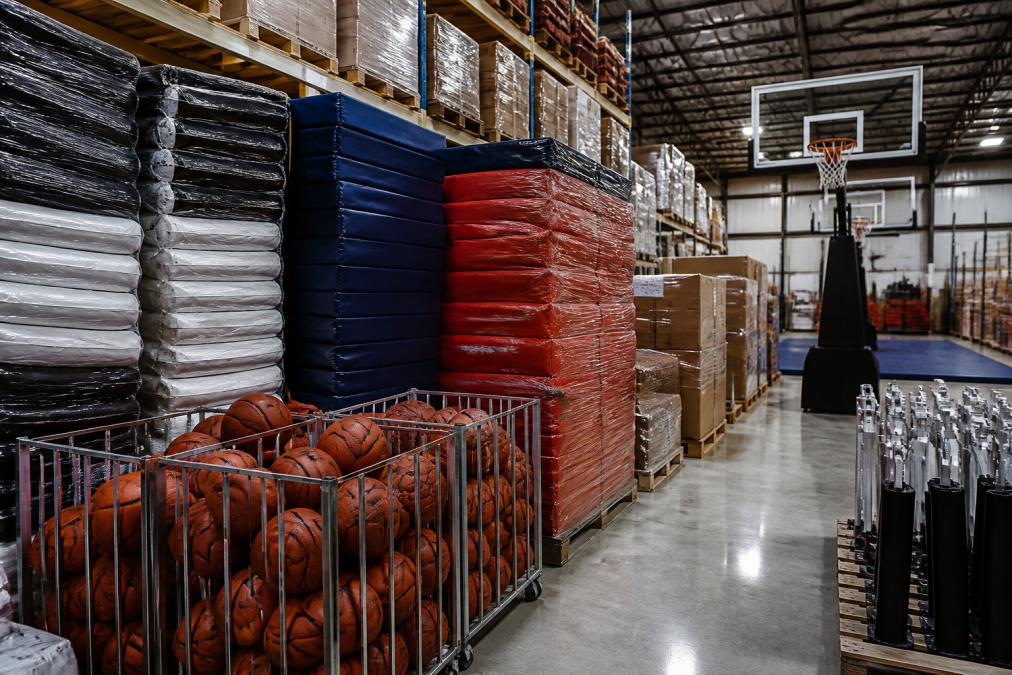
Schools, parks, and recreation departments need court systems that withstand heavy use and serve multiple skill levels. Court equipment extends beyond paddles and balls to include nets, posts, and surface considerations.
A regulation pickleball net is 36 inches high at the sidelines and 34 inches at the center. Portable net systems work well for facilities that need flexibility, while permanent installations suit dedicated pickleball courts.
Court surface affects ball bounce and player safety. Hard courts (concrete or asphalt) play faster and require more forgiving footwear. Cushioned surfaces reduce joint impact but slow the ball slightly.
Lighting is critical for evening play. Courts need at least 30-50 foot-candles of light for recreational play and 50+ for competitive tournaments.
Sports Vista USA provides court equipment and installation guidance for facilities looking to build or upgrade their pickleball infrastructure. Whether you're setting up a single court or multiple courts, having reliable equipment from a trusted source ensures consistent performance and durability.
Power vs. Control vs. Spin: What Your Game Demands
Every paddle emphasizes different aspects of the game.
Power-focused paddles prioritize energy transfer from your swing to the ball. They typically feature thinner cores, heavier weights, and stiffer materials. Power paddles reward aggressive swings and generate pace on serves and groundstrokes. The trade-off is less forgiveness on mishits and reduced spin potential.
Control-oriented paddles prioritize touch and precision. They use thicker cores, lighter weights, and softer materials that dampen vibration. Control paddles excel at dinking and soft hands play. They generate less pace but offer exceptional maneuverability and forgiveness.
Spin-focused paddles emphasize surface texture and material choices that maximize grip on the ball. Carbon fiber faces with rough textures grab the ball and create rotation.
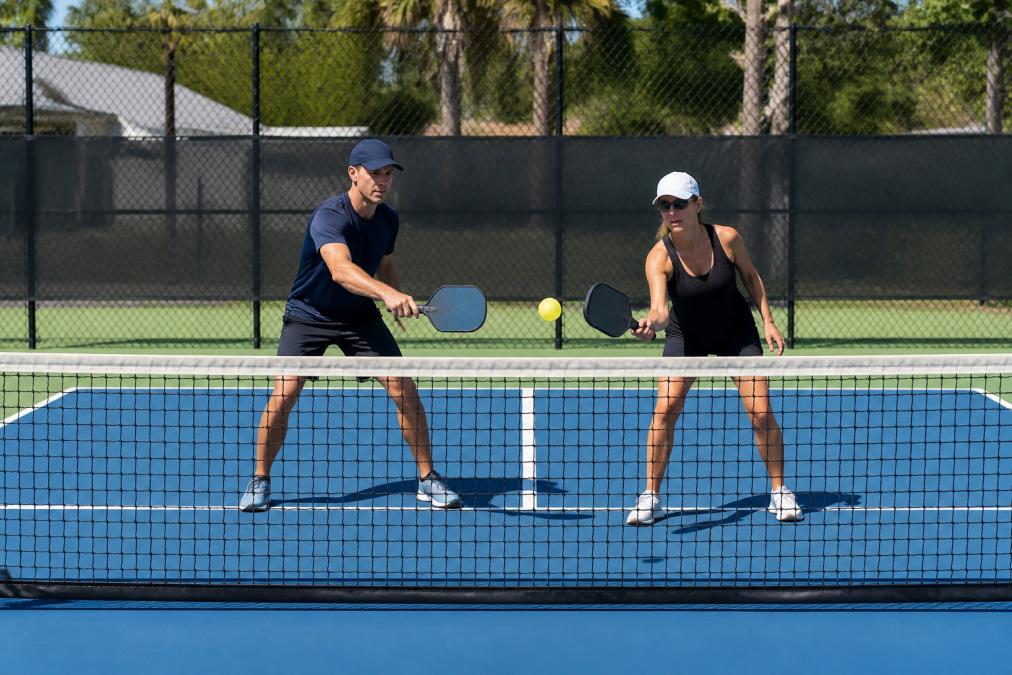
Most players benefit from a balanced paddle that doesn't sacrifice too much in any category. The Warping Point Neon Gen 3 delivers balanced performance across power, control, and spin, making it suitable for players still developing their style.
Maintenance and Longevity: Protecting Your Investment
A quality paddle lasts years with proper care.
Clean your paddle regularly. Wipe the face and edges with a damp cloth after play to remove dirt, sweat, and court debris. Dry immediately to prevent moisture damage.
Replace grip tape when it becomes slick. Grip tape wears through normal use and loses its tackiness. Replacing it every 3-6 months depending on usage keeps your paddle comfortable.
Avoid extreme temperatures. Store your paddle in a climate-controlled environment. Never leave a paddle in a hot car or direct sunlight for extended periods.
Use a paddle cover. A simple cover protects against bumps, scratches, and weather exposure during transport and storage.
Inspect the edge guard regularly. The edge guard protects the core from impact. If it cracks or separates, address it quickly to prevent core damage.
Rotate between multiple paddles if possible. Using different paddles allows each to rest between sessions, extending the lifespan of each paddle.
Paddles designed with quality materials and construction, like the Warping Point line available through Sports Vista USA, hold up significantly better than budget alternatives. While the initial investment is higher, the longevity means lower total cost over time.
Choosing the right pickleball equipment doesn't require spending a fortune or becoming a technical expert. Focus on understanding core materials, paddle weight, and how different features match your skill level. Sports Vista USA offers carefully selected paddles like the Warping Point Grasp, Ascent, Neon, and Phoenix models that deliver genuine performance across beginner through advanced levels. Start with a solid paddle, add essential gear as needed, and maintain your equipment properly. Your game will improve faster when your equipment supports your development rather than fighting against it.
Frequently Asked Questions
How do I know which pickleball paddle is right for me?
Start by identifying your skill level and playing style. Beginners benefit from paddles with larger sweet spots and forgiving cores, look for 16mm honeycomb construction with polypropylene cores. Intermediate players often prefer balanced paddles offering power and control, while advanced players may prioritize spin generation and responsiveness. Consider your physical strength: lighter paddles (under 7.5 oz) reduce fatigue, while heavier paddles (8+ oz) provide more power. Test different paddle weights and core materials if possible before committing.
What is the difference between 14mm and 16mm pickleball paddles?
Paddle thickness directly affects performance. A 16mm core provides more forgiveness, shock absorption, and a larger sweet spot, ideal for beginners and intermediate players. A 14mm core offers a firmer feel and faster response, preferred by advanced players who want greater control and spin potential. The thicker 16mm construction is more durable and easier to play with, making it the better choice for most recreational players building their skills.
Does paddle weight actually affect my pickleball game?
Yes, paddle weight significantly impacts your game. Lighter paddles (7-7.5 oz) reduce arm fatigue and improve maneuverability, making them ideal for beginners and players with shoulder issues. Mid-weight paddles (7.5-8.2 oz) offer a balance of power and control. Heavier paddles (8.2+ oz) generate more pace and stability but demand better technique and fitness. Your strength, age, and endurance should guide your choice, test different weights to find what feels natural and sustainable during long matches.
What essential pickleball equipment do I need to get started?
Beyond a quality paddle, you'll need pickleball balls (outdoor or indoor depending on your court), proper court shoes with lateral support, comfortable athletic clothing, and a net system if playing at home. For court play at facilities or schools, ensure the court surface is appropriate, outdoor courts handle different ball bounce characteristics than indoor. A beginners' gear checklist should also include a paddle cover for protection and a water bottle for hydration during extended play sessions.
Why does core material matter in pickleball paddles?
Core material determines how the paddle absorbs impact and transfers energy. Polypropylene honeycomb cores offer excellent shock absorption and forgiveness, making them ideal for beginners. Graphite faces combined with honeycomb cores provide better spin generation and control for intermediate players. Carbon fiber surfaces deliver faster response and power for advanced players. The core material also affects vibration dampening and durability, higher-quality materials maintain performance longer and reduce arm strain.
How do I maintain my pickleball paddle to ensure it lasts longer?
Store your paddle in a protective cover away from extreme heat and humidity, which can damage the core and face materials. Clean the paddle face regularly with a damp cloth to maintain grip and surface texture. Avoid dropping it or hitting the edge guard repeatedly, as edge damage can accelerate core deterioration. Inspect the paddle periodically for cracks or delamination. Proper storage and gentle handling extend paddle life significantly, protecting your investment and maintaining consistent performance.


Leave a comment
This site is protected by hCaptcha and the hCaptcha Privacy Policy and Terms of Service apply.